
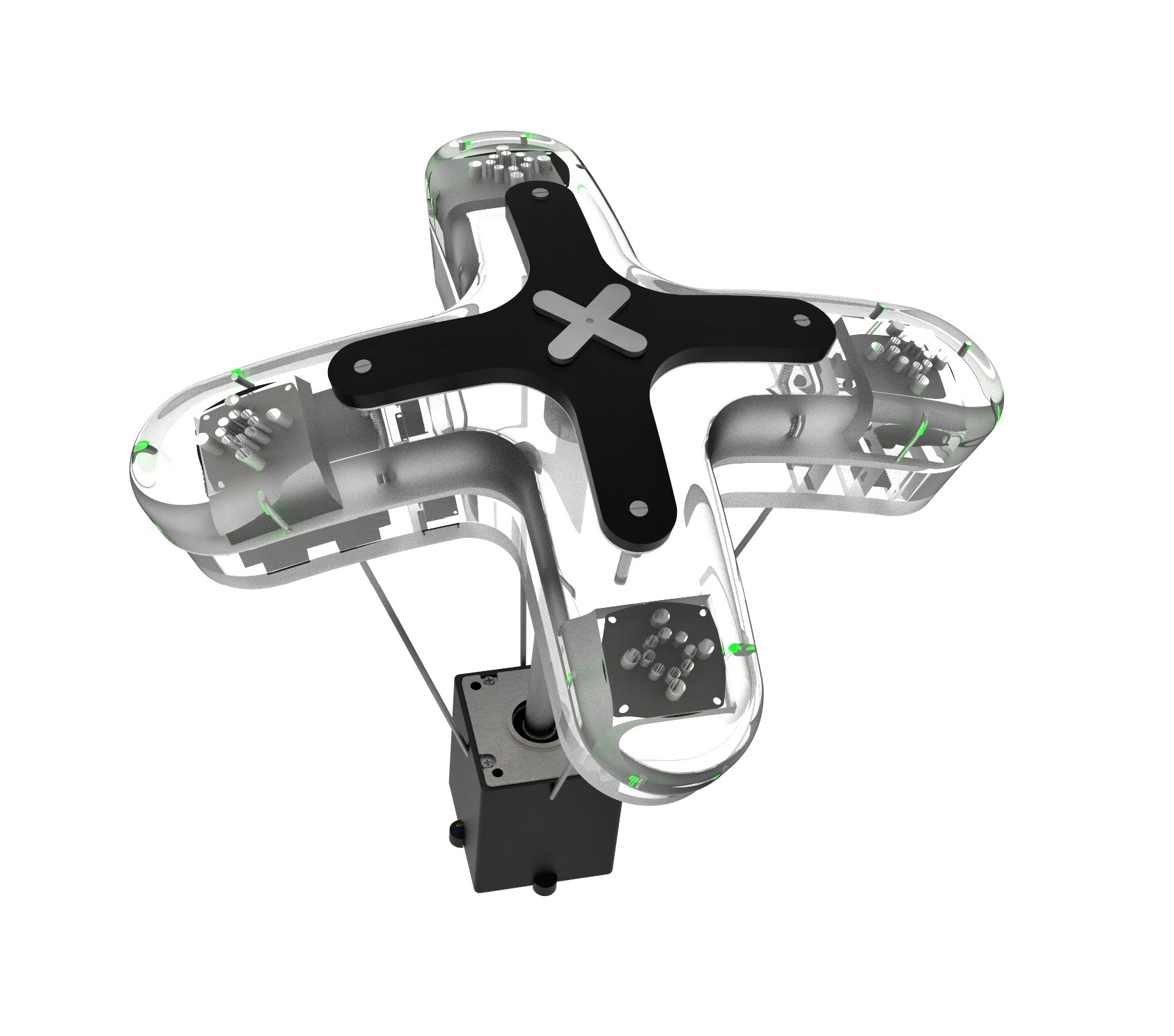
Contemporary music consumption is defined by repetition, abundance, and algorithmic reinforcement. Listeners commonly cycle through a narrow rotation of recently liked songs, replaying them obsessively until they have little left to give. It’s an extractive practice, and it misaligns with what many songs fundamentally are: snapshots of specific, often one-off emotional states that an artist captured in a moment that will never return. This project envisions a future where listening becomes equal to creation, where the singular emotional origin of a song is met with a singular emotional encounter.
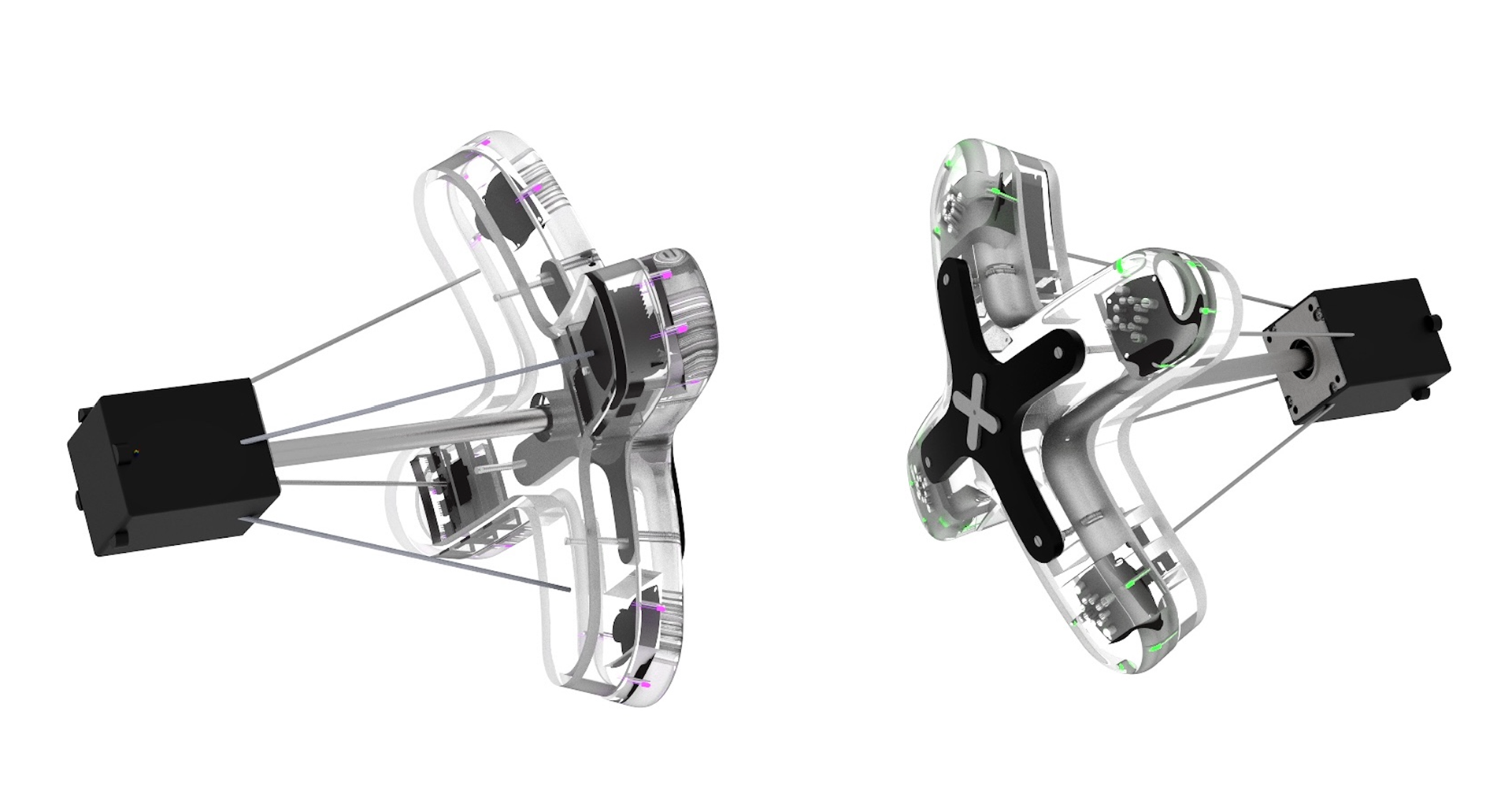
This project proposes an alternative system and experience that restores parity between creation and listening through a way of thought designed around ephemerality. Drawing inspiration from the Buddha Machine, which produces a continuous stream of looping ambient tracks, this object also delivers a steady audio flow, but reverses the core mechanism. Instead of looping, smoothing, and preserving sound, it introduces a constant stream of songs that will never repeat and never end. The platform is closed-loop: artists upload tracks intended exclusively for this ecosystem, and those tracks do not appear on any other service. When a song is delivered to the device, it plays once and becomes permanently inaccessible to that listener. No archive, no replay, no history.
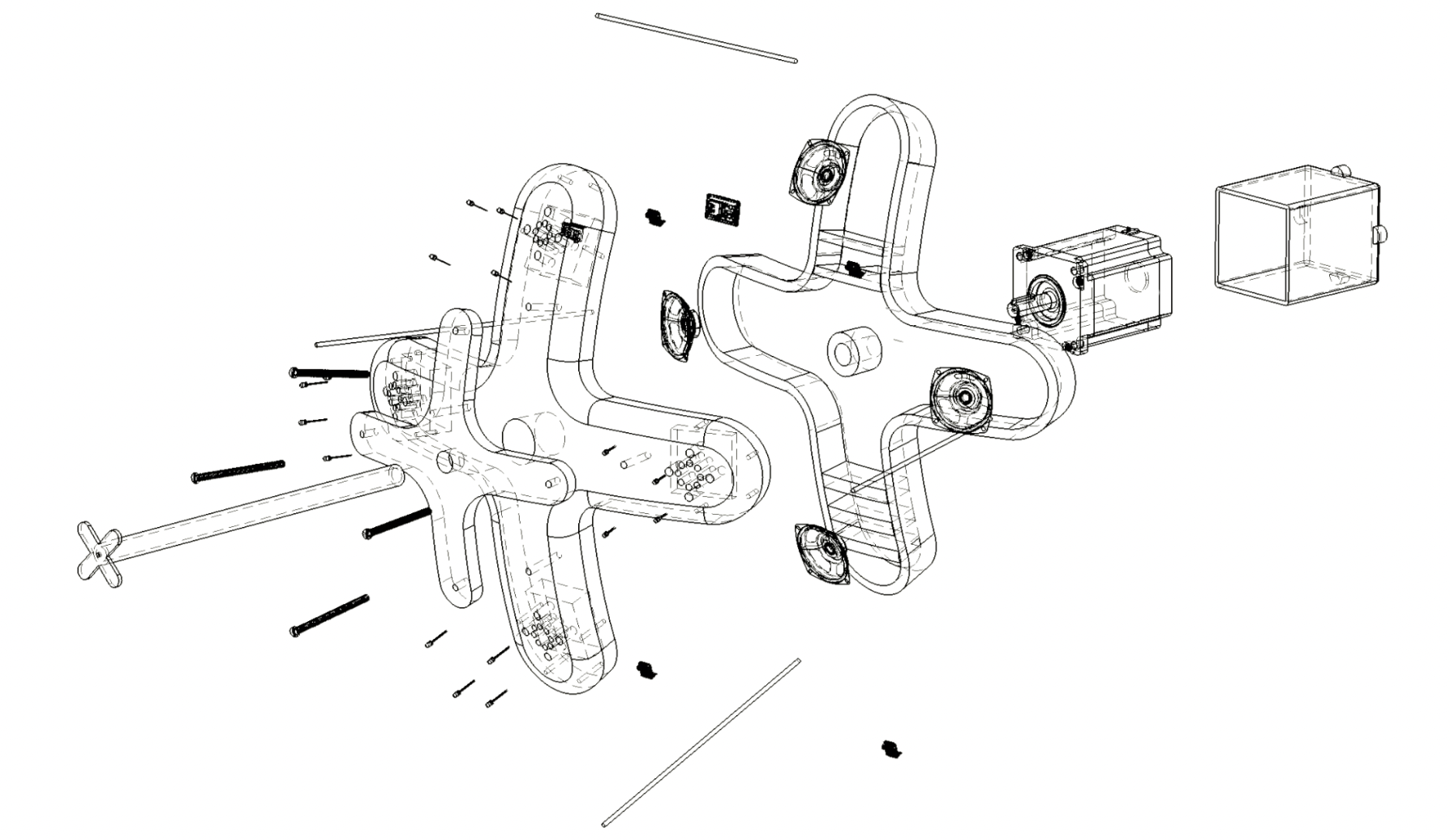
The speaker contains four drivers, each individually accounting for the four major components (STEM's) of any given song: drum, base, vocals, and melody. As any select song ends, three of the STEM’s fade into silence. The fourth STEM, referred to as the “transition STEM” will continue playing the major component of the first song that is most akin to a major component of the second song. The sound will then transition from one speaker to the other.
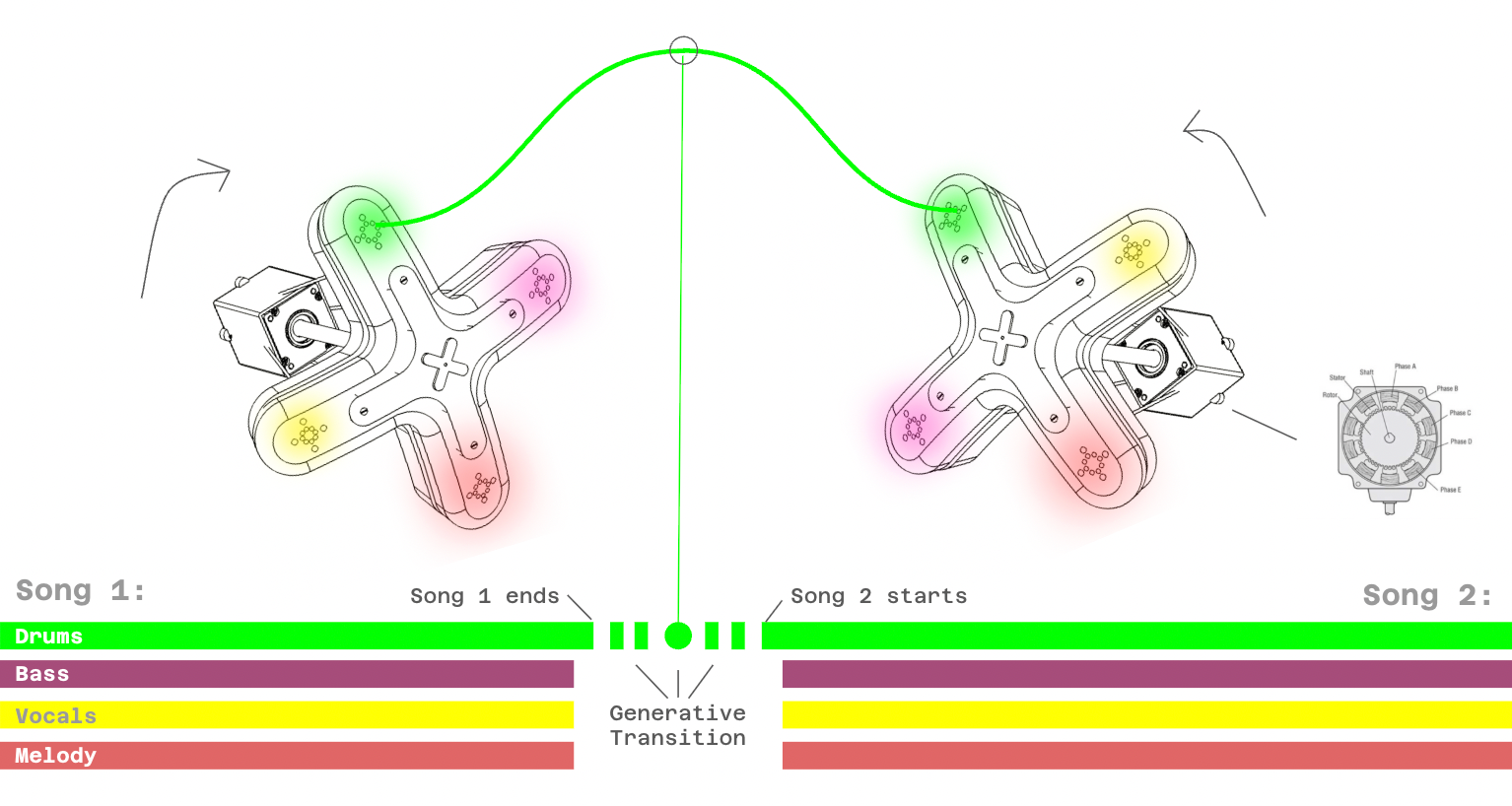
As a song transitions, the speakers will rotate using a stepper motor to align the two complimentary STEM drivers at the top. The device is controlled by an ESP32 microcontroller, which manages the system in general. Audio is output through a PCM5102A I2S digital-to-analog converter and then to each of the four drivers which are powered by four PAM8403 Class-D amplifier. A buck-boost converter board regulates incoming power to provide stable voltage for the motor and driver board, microcontroller, audio circuitry, and LEDs.
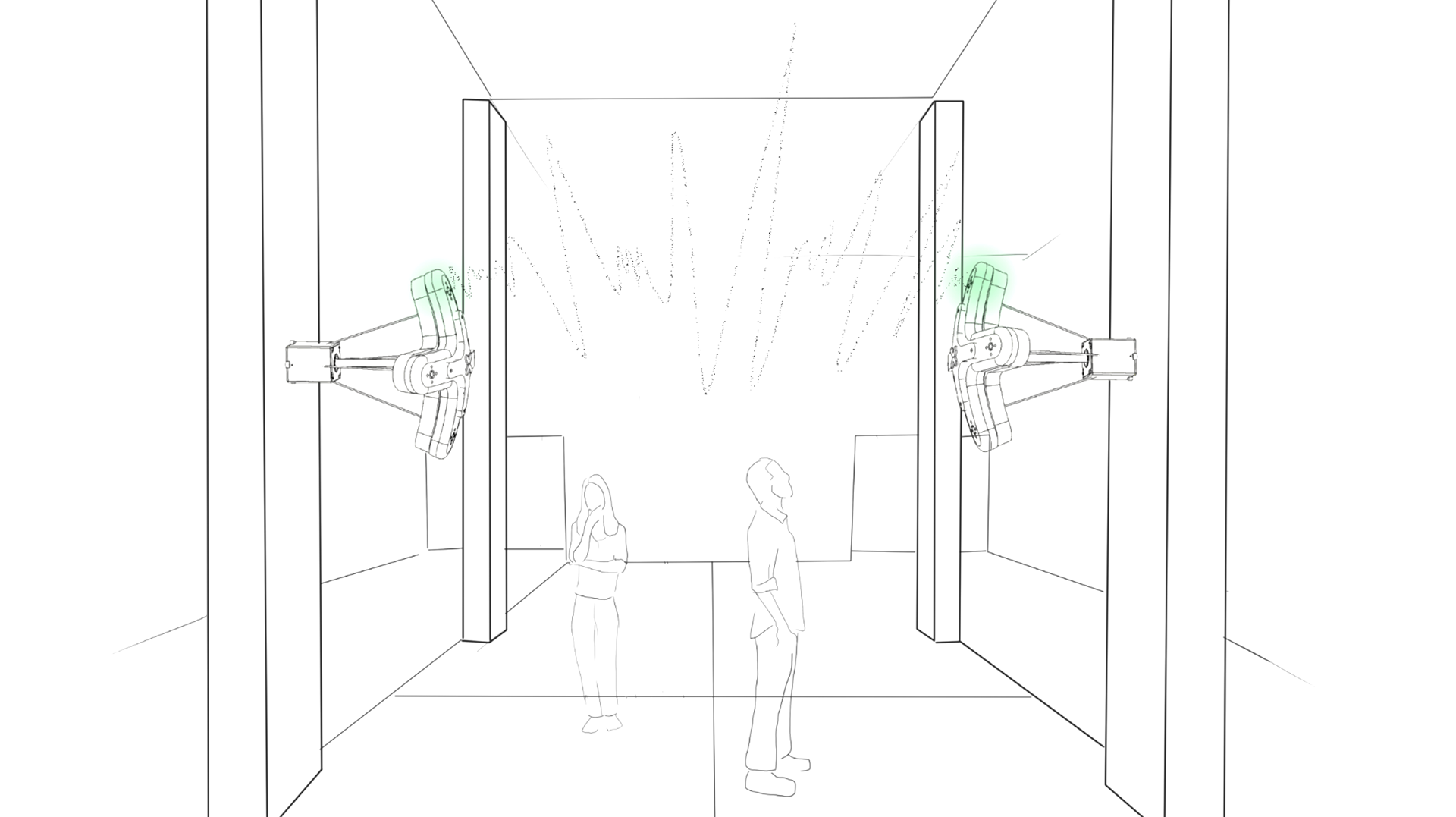
Speakers In Context
Process
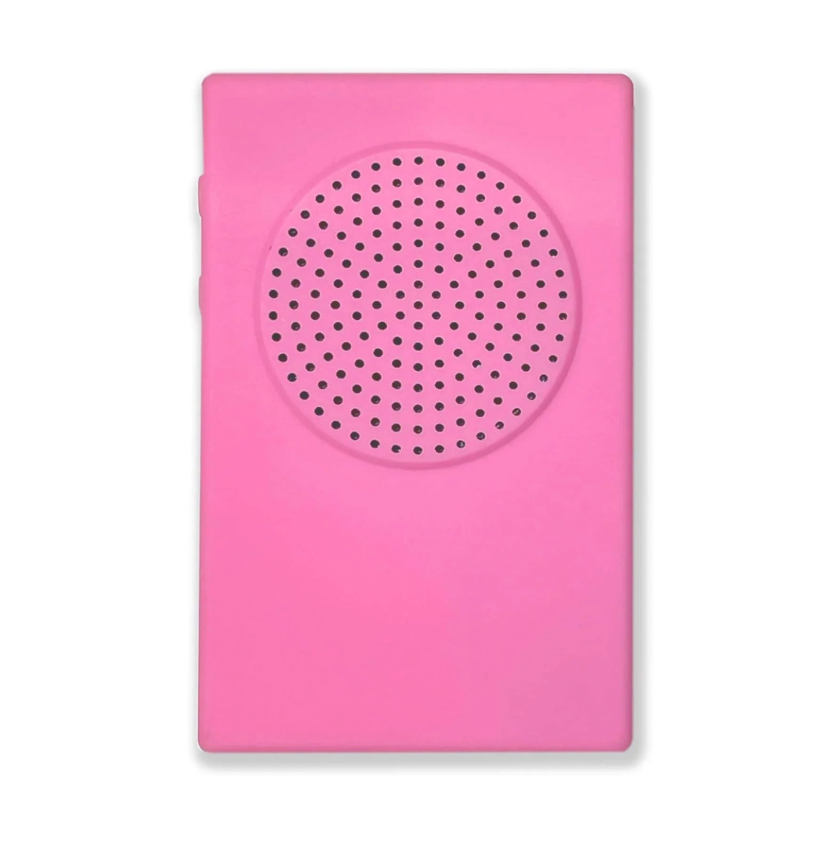
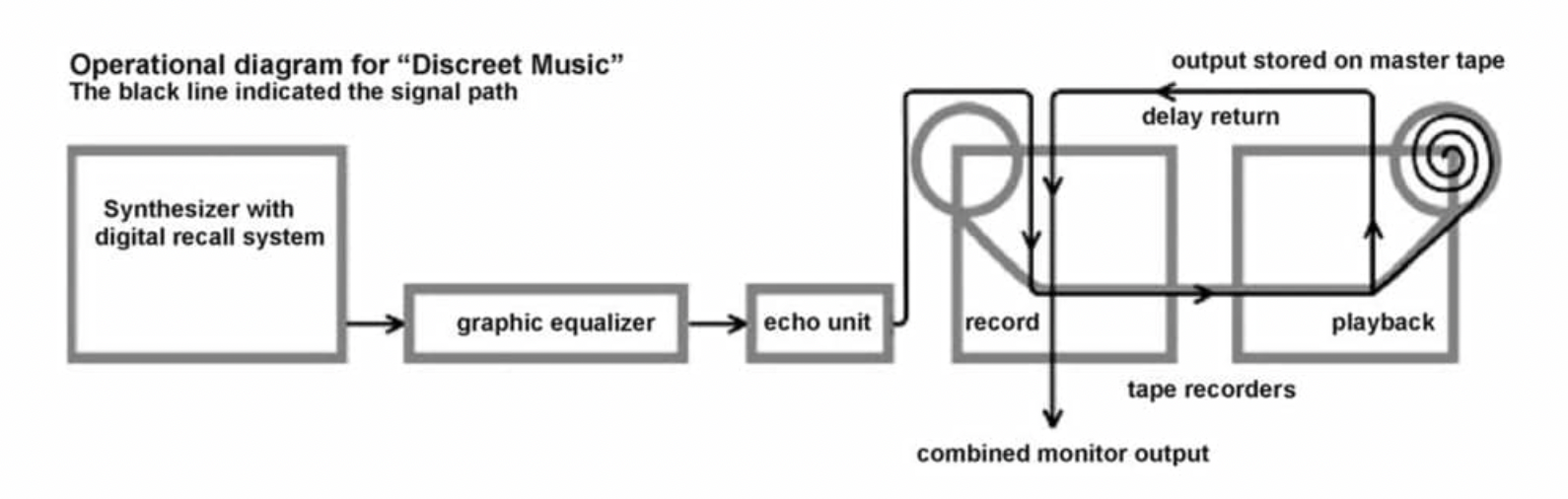
Originally drawing inspiration from the Buddha Machine and Brian Eno's Tape loop, I loved the idea of a physical representation of sonic infinity.
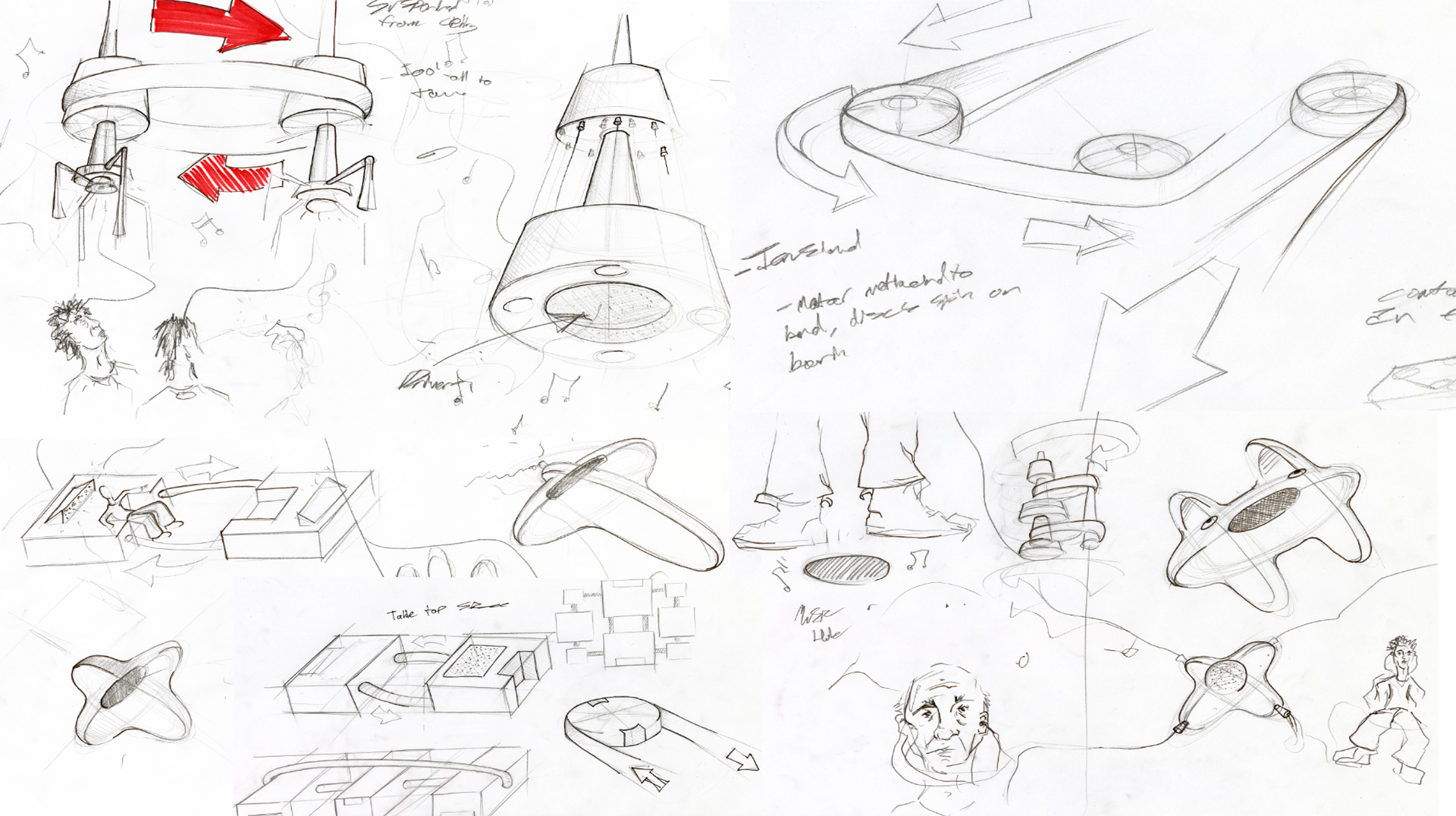
Original Ideation Sketches
I started with some quick form sketches. I was aware that capturing a form for this concept is the actuation, but not the point. I focused on looking at different sizes and movements.
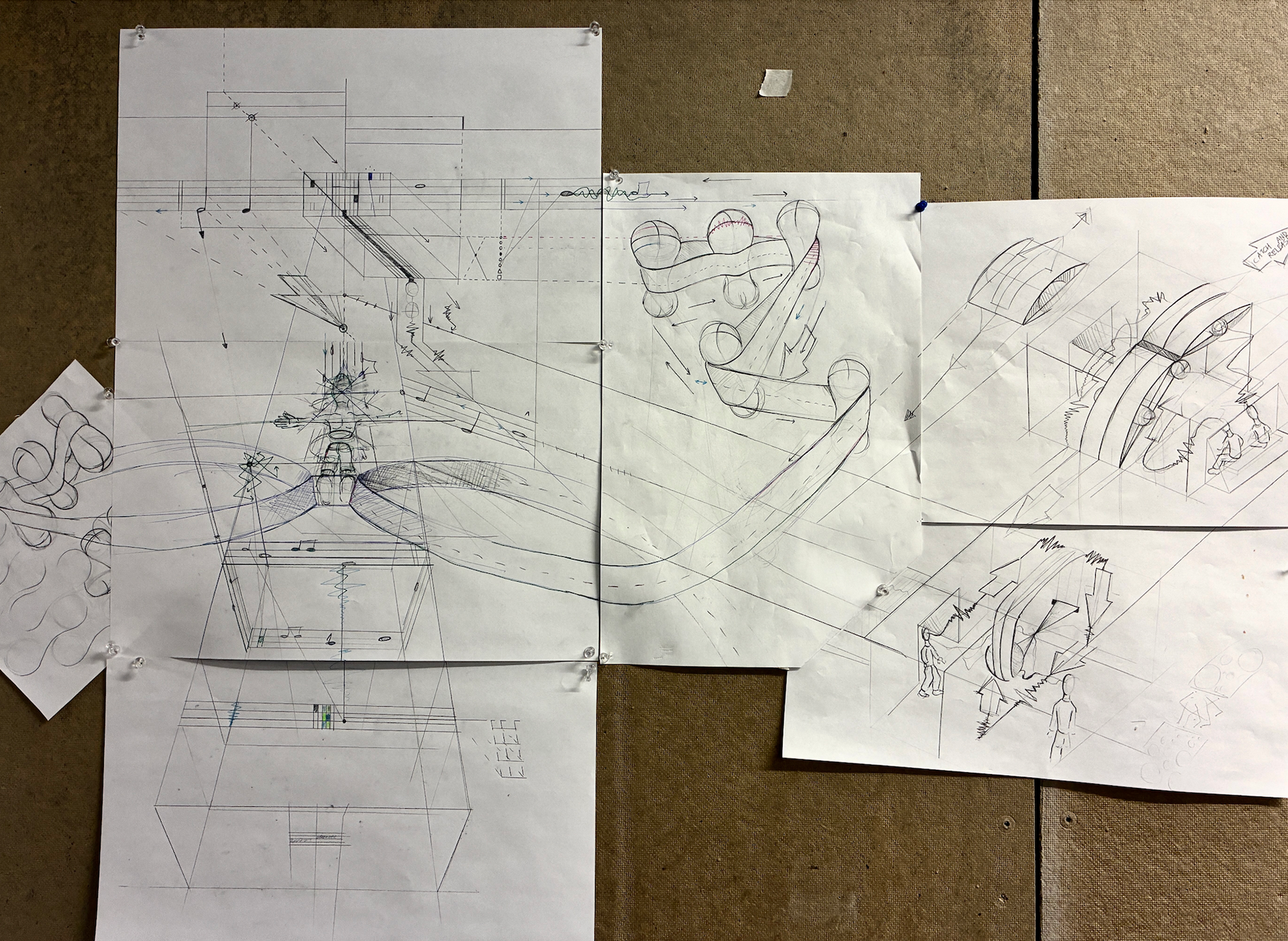
Spatial Analysis Sketches
I wanted to further explore the movement of this system and did so on a larger medium. Looking at our possible interactions with this system and how the sound travels with, to, and away from us.
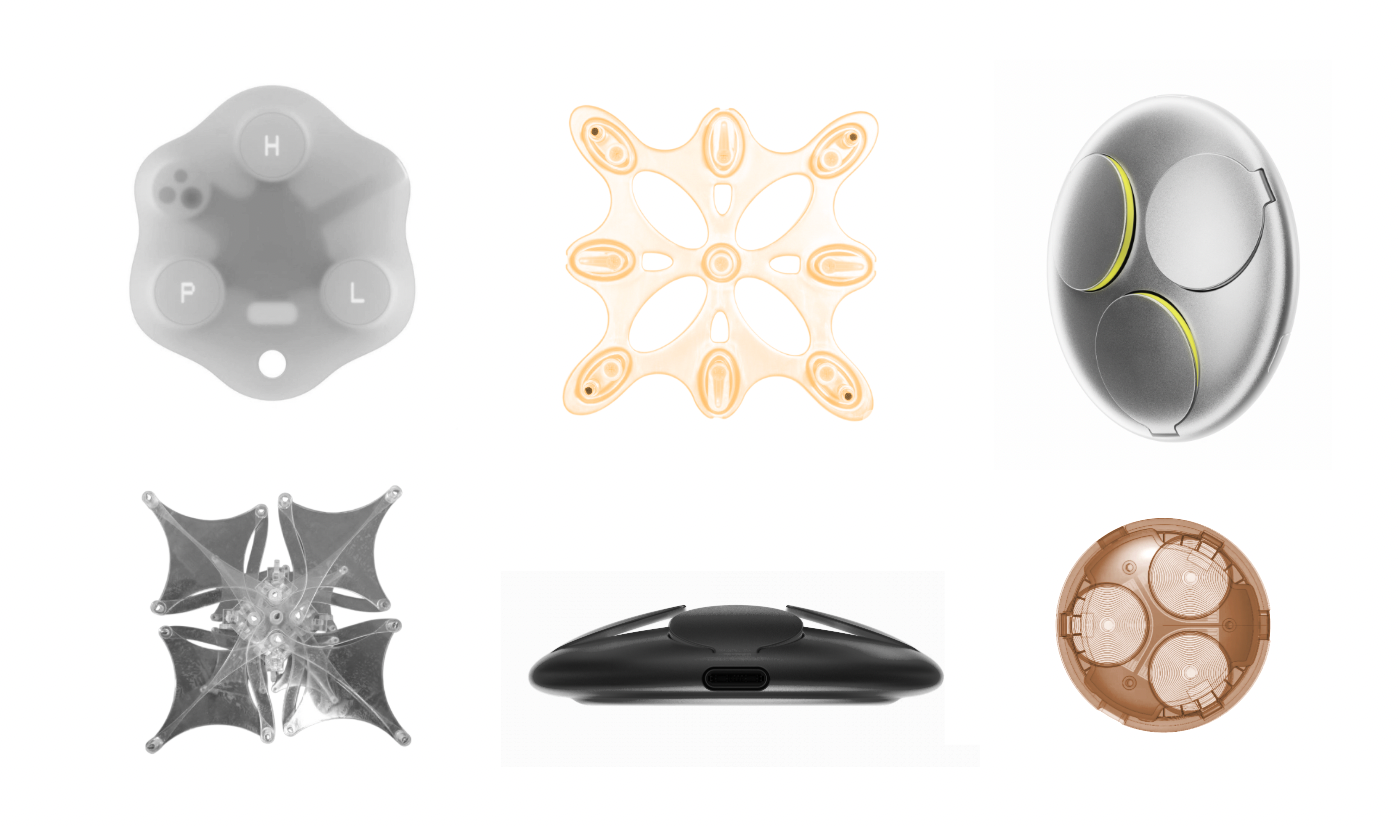
It was difficult to give this concept form so I made a moodboard to help narrow down my ideas and ended up going back to some of the smaller plus shaped forms in my original ideation.
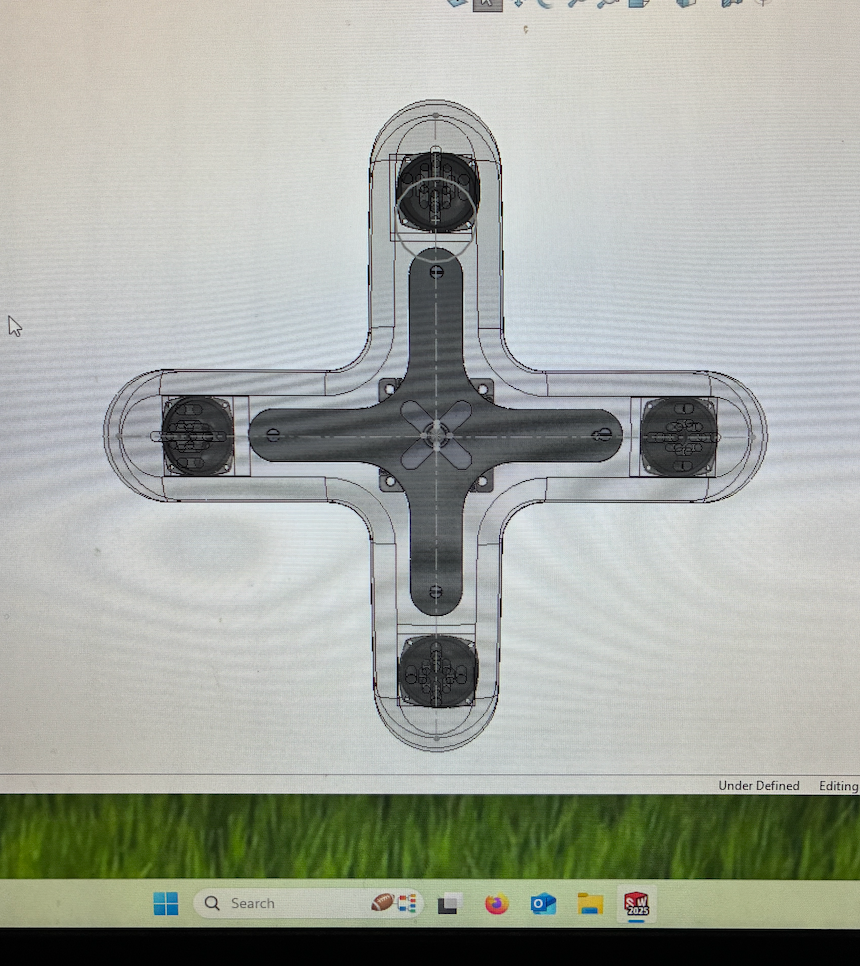
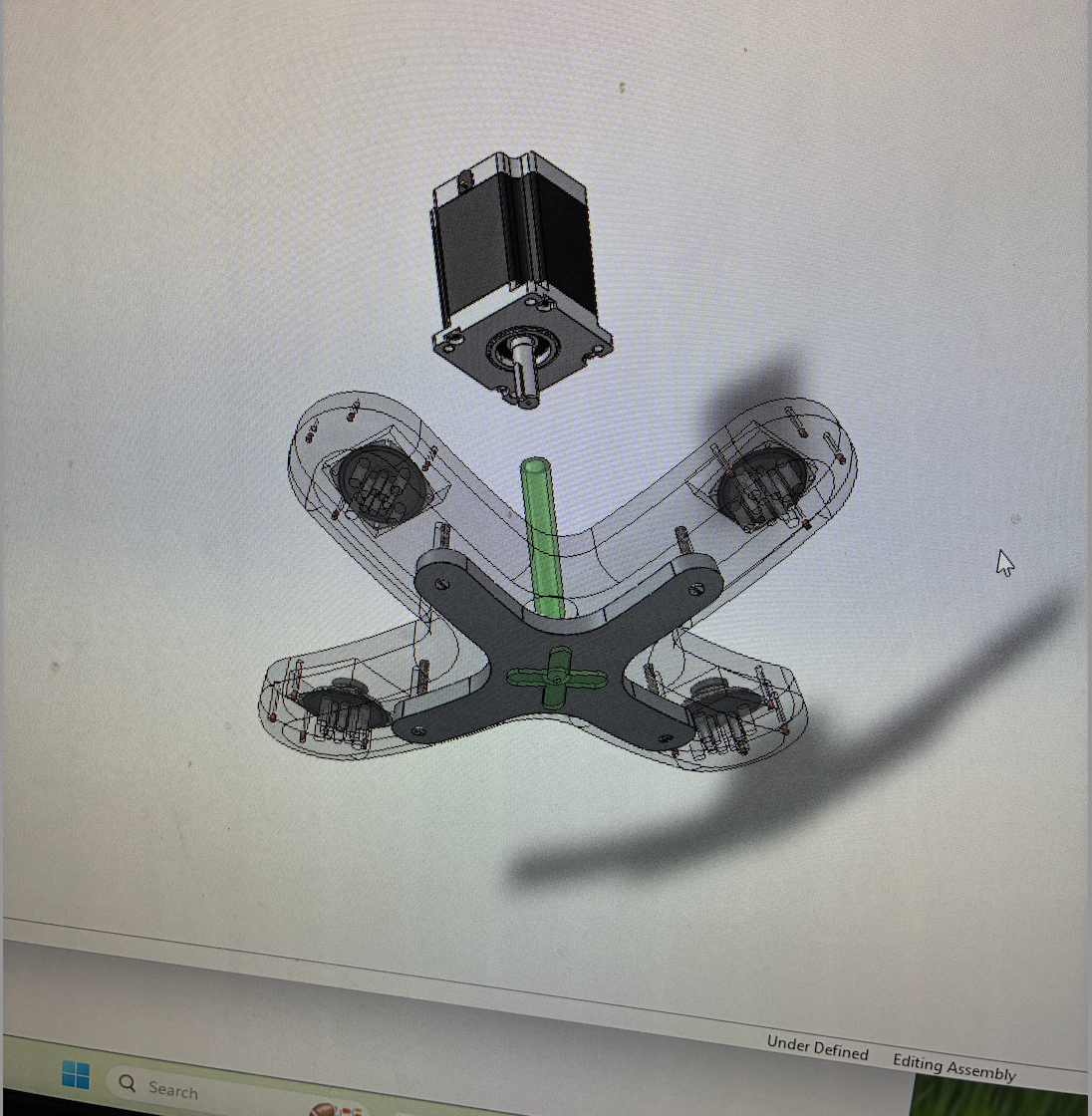
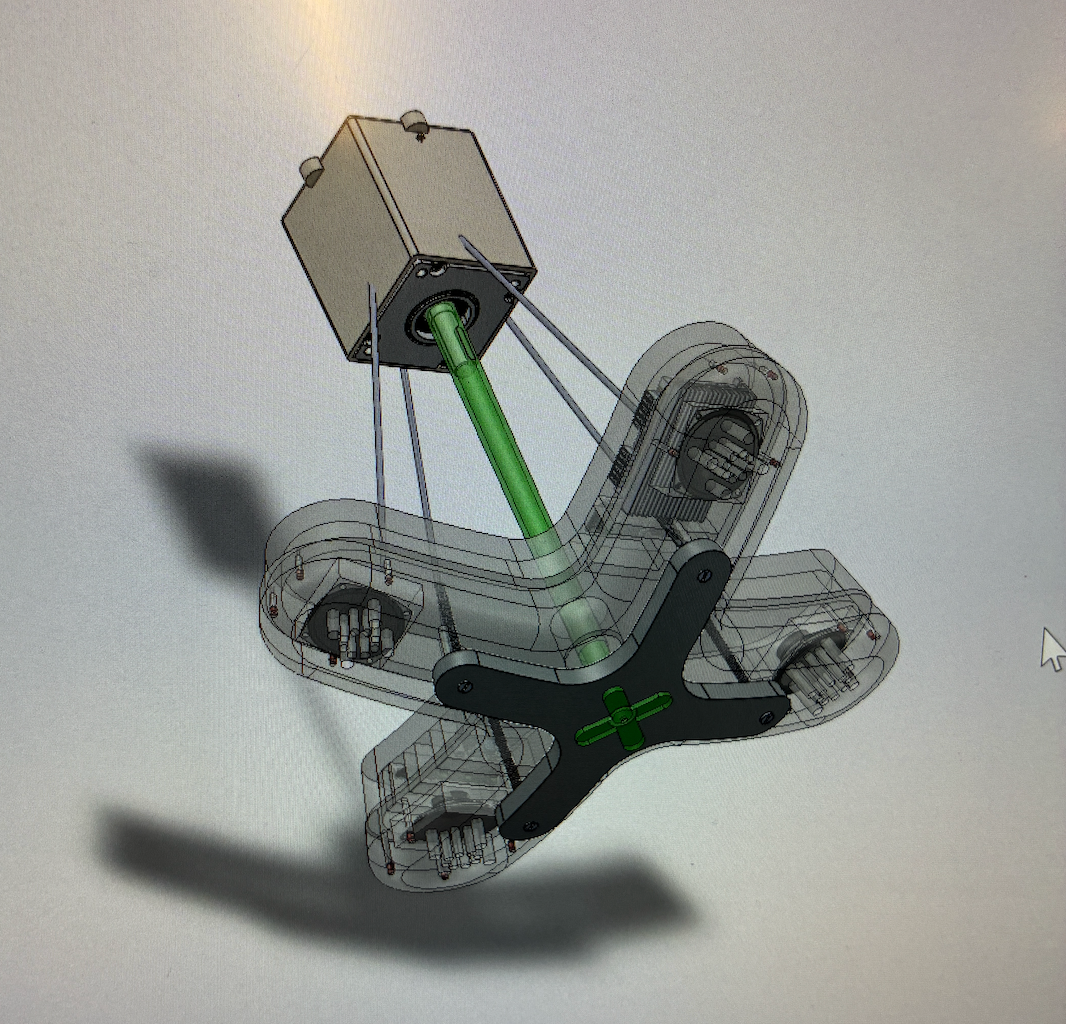
By this point I had an idea for the form and movement and went into SolidWorks to start modeling.